
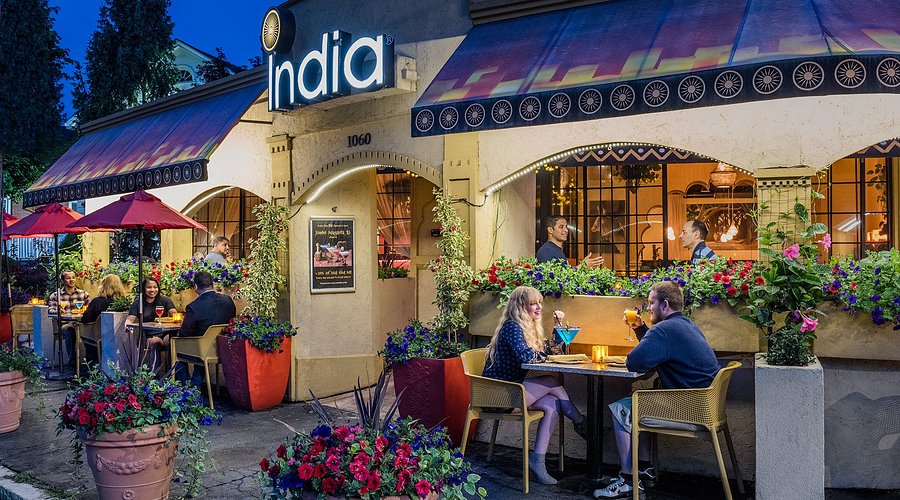
From digital menus to AI kitchens—modern tech is reshaping how Indian restaurants operate, engage customers, and compete in a fast‑evolving market.
The restaurant industry is undergoing a dramatic transformation. Once rooted in traditional hospitality and manual workflows, today’s Indian restaurant — whether a bustling darbar in Mumbai or an Indian restaurant in West Palm aiming to deliver authentic curries abroad — must embrace technological innovation or risk falling behind.
Across the globe and right here in India, cutting‑edge tools are changing everything from the way customers place orders to how kitchens manage inventory and operations. Post‑pandemic shifts in consumer expectations, fierce competition, and rising labor costs have accelerated digital adoption more than ever.
In this detailed post, we’ll explore 5–6 key areas where technology and innovation are driving change in the Indian restaurant landscape — along with credible sources and actionable recommendations you can implement now.
📌 1. Digital Ordering & Contactless Experiences
Why it matters:
Consumers now expect seamless digital interactions—from browsing menus to placing orders and paying without touching a menu or waiting for a waiter.
Current Tech Trends:
- QR code menus and contactless ordering: Digital menus accessed via QR codes let diners browse and order from their phones — reducing wait times and increasing table turnover.
Source: https://www.iplocation.net/the-latest-tech-trends-transforming-the-restaurant-industry-in-2025 - Mobile apps for ordering & delivery: Online food delivery platforms have become mainstream. A recent industry report shows that 70% of restaurant revenue in Tier‑1 Indian cities now comes from online orders facilitated by apps.
Source: https://www.restroworks.com/blog/indian-restaurant-industry-statistics/ - Contactless payments: India leads with digital transactions through UPI, mobile wallets, and integrated payments at checkout. These reduce friction and enhance customer satisfaction.
Source: https://www.restroworks.com/blog/indian-restaurant-industry-statistics/
Use Cases:
- A diner at an Indian restaurant west palm scans a QR menu, selects tandoori dishes, adds them to a cart, and pays securely—all before a server even steps to the table.
- Cloud kitchens process dozens of orders via apps without traditional dining space, reducing overhead and accelerating delivery.
Actionable Suggestions:
✔ Implement QR code menus or downloadable menus that sync with POS systems.
✔ Integrate secure mobile payment options such as UPI, Apple Pay, or Google Wallet.
✔ Promote contactless ordering on your website and social platforms.
🤖 2. AI & Data Analytics for Personalization and Operations
Why it matters:
Artificial Intelligence (AI) and data analytics help restaurants personalize promotions, forecast demand, streamline staffing, and reduce food waste — critical in competitive markets.
Innovation Highlights:
- AI‑driven customer insights: Tools analyze ordering patterns and customer behavior to tailor promotions and menu recommendations.
Source: https://www.restolabs.com/blog/restaurant-technology-trends – AI‑defined insights optimize customer engagement and operations - Predictive analytics: Forecasting demand using historical data and external factors (weather, holidays) reduces food waste and improves staffing efficiency.
Source: https://www.restolabs.com/blog/restaurant-technology-trends – Predictive AI cuts waste and labor cost
Use Cases:
- A restaurant app could suggest a spicy biryani combo to customers who order similar dishes, increasing order value.
- Predictive analytics could help avoid over‑stocking ingredients during off‑peak weather.
Actionable Suggestions:
✔ Use analytics dashboards to monitor top‑selling items and adjust procurement.
✔ Segment customers based on ordering history and tailor loyalty offers.
✔ Explore AI‑powered tools that integrate across POS, delivery, and loyalty systems.
🍽️ 3. Smart Kitchens & Automation
Why it matters:
Kitchen efficiency influences speed, consistency, and cost control. Smart kitchens equipped with connected devices, automation, and real‑time dashboards improve operations significantly.
Key Technologies:
- Digital kitchen display systems: Replacing paper tickets with screen‑based order management improves accuracy and kitchen coordination.
Source: https://www.techaheadcorp.com/blog/restaurant-digital-transformation/ - Robotics & automation: Robots are increasingly assisting with tasks like food prep, dish delivery, and even frying or beverage assembly.
Source: https://www.techaheadcorp.com/blog/restaurant-digital-transformation/ - IoT connected appliances: Smart ovens, refrigerators, and sensors help chefs monitor temperatures and equipment performance in real time.
Source: https://www.iplocation.net/the-latest-tech-trends-transforming-the-restaurant-industry-in-2025
Use Cases:
- In high‑volume Indian kitchens, automated batter‑mixing or rice dispensers ensure consistency for dosas and biryanis.
- Kitchen display systems reduce errors during peak dinner hours by optimizing prep sequencing.
Actionable Suggestions:
✔ Evaluate kitchen display systems that integrate with your POS.
✔ Pilot one or two automated prep machines to free staff for high‑value tasks.
✔ Use IoT sensors to automate temperature and safety alerts.
🤳 4. Customer Loyalty & Engagement Tools
Why it matters:
Retention matters as much as acquisition. Digital loyalty programs and engagement platforms create repeat business and build brand affinity.
Important Innovations:
- AI‑powered loyalty personalization: Brands use customer data to create tailored rewards, increasing repeat visits and average order values.
Source: https://hospitalitytech.com/5-restaurant-tech-trends-watch - Mobile engagement platforms: Websites, apps, SMS, and email campaigns allow restaurants to stay top‑of‑mind with customers.
Use Cases:
- Send SMS offers for a “Lunch Thali Special” to customers who haven’t visited in 30 days.
- Reward diners with points redeemable for complimentary desserts after five visits.
Actionable Suggestions:
✔ Launch a loyalty program tied directly to your POS.
✔ Use customer segmentation to send targeted offers.
✔ Leverage email and SMS campaigns for promotions and special events.
🚚 5. Delivery Tech & Cloud Kitchens
Why it matters:
The rise of delivery and cloud kitchens allows Indian restaurants to scale without large dining floors and respond to demand quickly.
Techs Driving Delivery:
- Cloud kitchens & virtual brands: Delivery‑only kitchens reduce real estate costs and leverage data for optimized menus.
Source: https://www.iplocation.net/the-latest-tech-trends-transforming-the-restaurant-industry-in-2025 - Route planning & fulfillment automation: Advanced software optimizes delivery paths and improves delivery times.
Use Cases:
- Launch an Indian restaurant west palm concept only via delivery and pickup, reducing expensive storefront costs.
- Integrate multiple apps (like Zomato, Swiggy, or third‑party systems) into a unified kitchen management dashboard.
Actionable Suggestions:
✔ Partner with multiple delivery platforms but maintain direct ordering options to reduce commissions.
✔ Test cloud kitchen formats in high‑demand areas before full dine‑in expansion.
🧠 6. Emerging Tech: AR, VR, Blockchain & Beyond
Why it matters:
Experimental technologies offer next‑level engagement and operational transparency.
Innovative Areas:
- AR/VR experiences: Some restaurants use interactive menus or storytelling to elevate engagement.
Source: https://www.iplocation.net/the-latest-tech-trends-transforming-the-restaurant-industry-in-2025 - Blockchain for supply transparency: Distributed ledgers help trace ingredient origins and build trust around sourcing.
Source: https://mobidev.biz/blog/restaurant-technology-trends-innovations-implementation
Use Cases:
- An AR feature could let diners view a 3D preview of a dish before ordering.
- Blockchain systems can reassure customers about the ethical sourcing of spices or meats.
Actionable Suggestions:
✔ Explore pilot AR menus for special events or premium dining experiences.
✔ Track key ingredient sources digitally and share transparency stories with customers.
Conclusion: The Future Is Digital & Experience‑Driven
Technology and innovation are no longer optional in the restaurant industry — they are fundamental to survival and growth. From Indian restaurant west palm to corner dhabas across India, digital transformation is empowering restaurateurs to:
- Improve efficiency and reduce costs
- Elevate customer experiences
- Expand reach via delivery and cloud kitchen models
- Personalize engagement and build loyalty
- Harness data for smarter decision‑making
By embracing digital tools — from AI analytics and smart kitchens to contactless ordering and loyalty platforms — Indian restaurants can thrive in a competitive landscape and exceed modern diner expectations.
Actionable Roadmap for Restaurant Owners
Whether you’re launching a new location or upgrading operations, here are next steps you can take:
✅ Start with digital presence: mobile‑friendly website + QR menus
✅ Integrate analytics to understand customer behavior
✅ Add automation tools for kitchen efficiency
✅ Launch loyalty programs that speak to repeat customers
✅ Explore delivery first or hybrid cloud kitchen models
✅ Pilot AR/VR and blockchain for experience and trust
If you’re a restaurant owner or manager looking to modernize your Indian restaurant, streamline operations, and enhance customer experiences, now is the time to act. I specialize in helping restaurants implement the latest technology, optimize workflows, and leverage innovation to grow revenue. Reach out today to discuss how we can transform your restaurant into a more efficient, profitable, and customer‑friendly business.